
TINT SHADES EXPLAINED
Car window tint shades describe how much visible light passes through the film. A lower percentage means a darker appearance. Choosing the right shade starts with understanding that number—and separating the look of the tint from its heat and UV performance.
70% film lets through more visible light than 20% film. The percentage is not the amount of heat or UV radiation blocked. Choose your film technology and your preferred shade as two separate decisions.
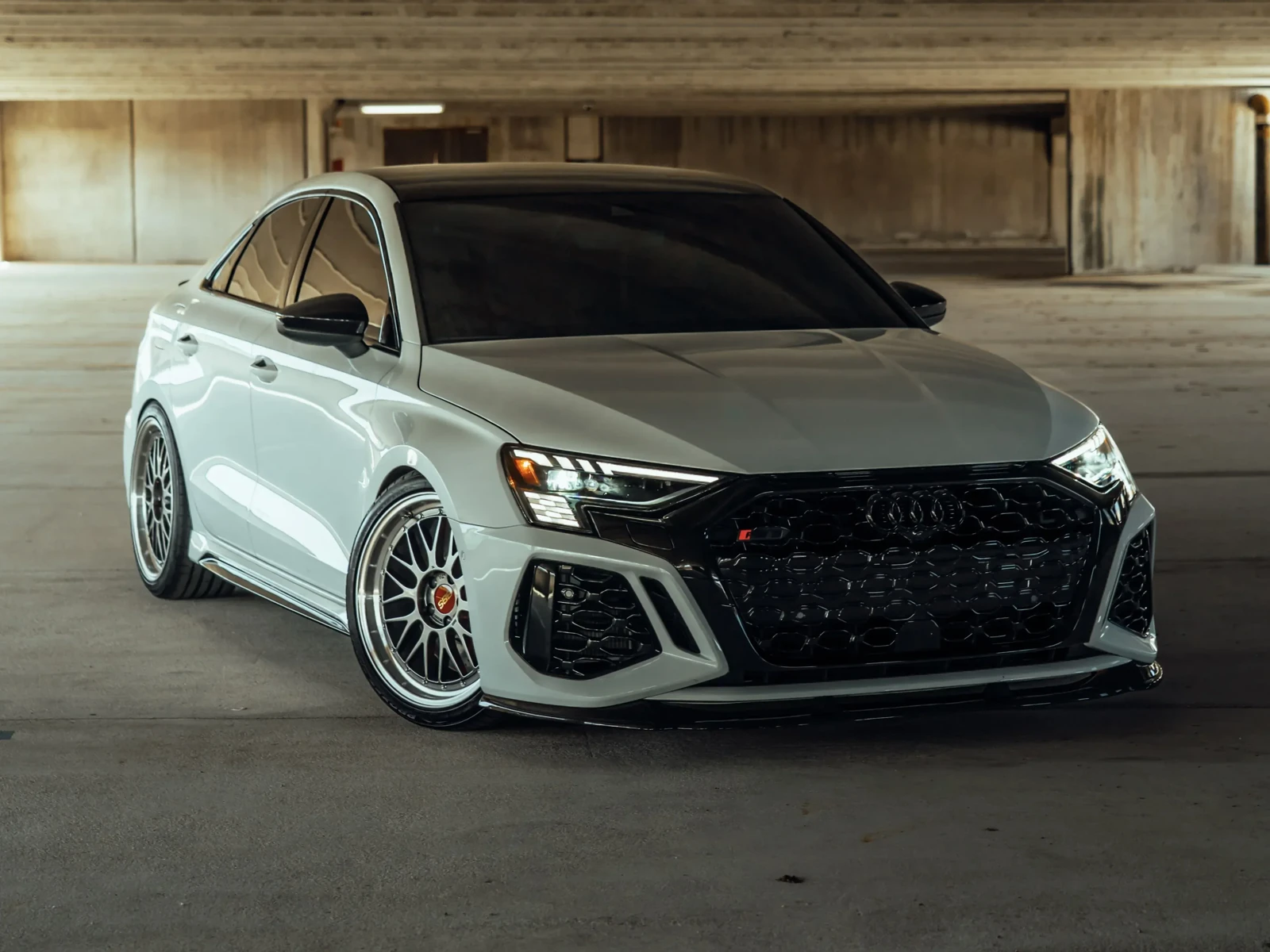
What Does a Window Tint Percentage Mean?
The number refers to visible light transmission, or VLT. For example, a film rated at 20% VLT transmits about one-fifth of visible light under its rated test conditions. It does not mean the film is only 20% dark.
The glass already on your vehicle affects the finished result, too. A film’s listed VLT and the measured VLT of the installed glass-and-film combination are not necessarily the same. Existing factory-darkened glass can make an added film look darker than it would on clear glass.
How Common Tint Shades Compare
Use these descriptions as a starting point. Lighting, interior color, existing glass, and the angle of view all influence the appearance.
| Shade | General appearance | What to consider |
|---|---|---|
| 70% | Very light, virtually clear | A subtle appearance for drivers who prefer very little visible darkening. |
| 50% | Slightly darker than 70% | A subtle change in appearance without a very dark finish. |
| 35% | A noticeable tinted look | Compare it in person with lighter and darker options. |
| 20% | A darker finish | More visual privacy, with less visible light passing through. |
| 5% | Very dark, often called limo tint | Substantially reduces visible light and can make low-light viewing more difficult. |
This is an appearance guide, not a recommendation for every window. Confirm available shades and suitable coverage for your vehicle before choosing.
Darker Does Not Automatically Mean Better Heat Protection
Shade tells you about visible light. Film construction determines other aspects of performance. A light Nano Ceramic IR film can be a good choice when you want heat rejection without a dark appearance.
UV protection is a separate specification from VLT. A lighter film can provide strong UV protection; check the manufacturer’s specifications for the product you are considering. For example, the Nano Ceramic IR film offered by San Diego Best Tint provides 99.9% UV protection.
Learn more about film technology in our carbon vs. ceramic window tint comparison.
Choose a Shade Around How You Use Your Car
- Start with visibility. Think about early mornings, nighttime driving, parking, and how clearly you want to see through the windows.
- Decide how much privacy you want. A darker appearance may suit your preferences, but it should not be the only consideration.
- Look at the whole vehicle. Existing rear privacy glass and the color of the interior can affect how the finished tint looks.
- Discuss each window group. The same shade is not necessarily appropriate for every window. Confirm applicable requirements before installation.
Ask your installer to compare samples and explain how each option will look on your vehicle.
See Different Shades on a Real Installation
Our BMW 3 Series window tint project pairs virtually clear 70% Nano Ceramic IR on the front doors with 20% on the rear half. It illustrates the visual contrast between a lighter front-window finish and darker rear glass.
Project photos show one vehicle in particular lighting. Use them for inspiration, then discuss your own vehicle and coverage before deciding.
Window Tint Shade FAQs
Is 20% tint darker than 35%?
Yes. A lower VLT percentage means less visible light passes through the film, so 20% is darker than 35%.
Does 70% tint still provide UV protection?
Yes, depending on the product. UV protection is separate from visible darkness, so check the film’s specifications rather than judging by shade.
Does darker tint always block more heat?
No. Compare film technology and product performance, not just VLT. Darkness alone does not tell you the amount of heat rejected.
Will the same shade look identical on every car?
No. Existing glass, interior color, lighting, and viewing angle influence the result. Added film over factory-darkened glass can look different from the same film on clear glass.
Find the Right Film and Shade for Your Vehicle
Tell San Diego Best Tint your vehicle, preferred coverage, and service location. We offer mobile installation at your home or workplace throughout San Diego County and can help you compare your options. Explore our Nano Ceramic IR shade options for available films.