
SUNROOF & PANORAMIC GLASS
A bright glass roof can make a cabin feel open—and leave you feeling sunlight overhead. Roof tint may help when heat or brightness from above is a real concern, but the best choice depends on the vehicle’s glass, existing treatment, and how you use its shade.
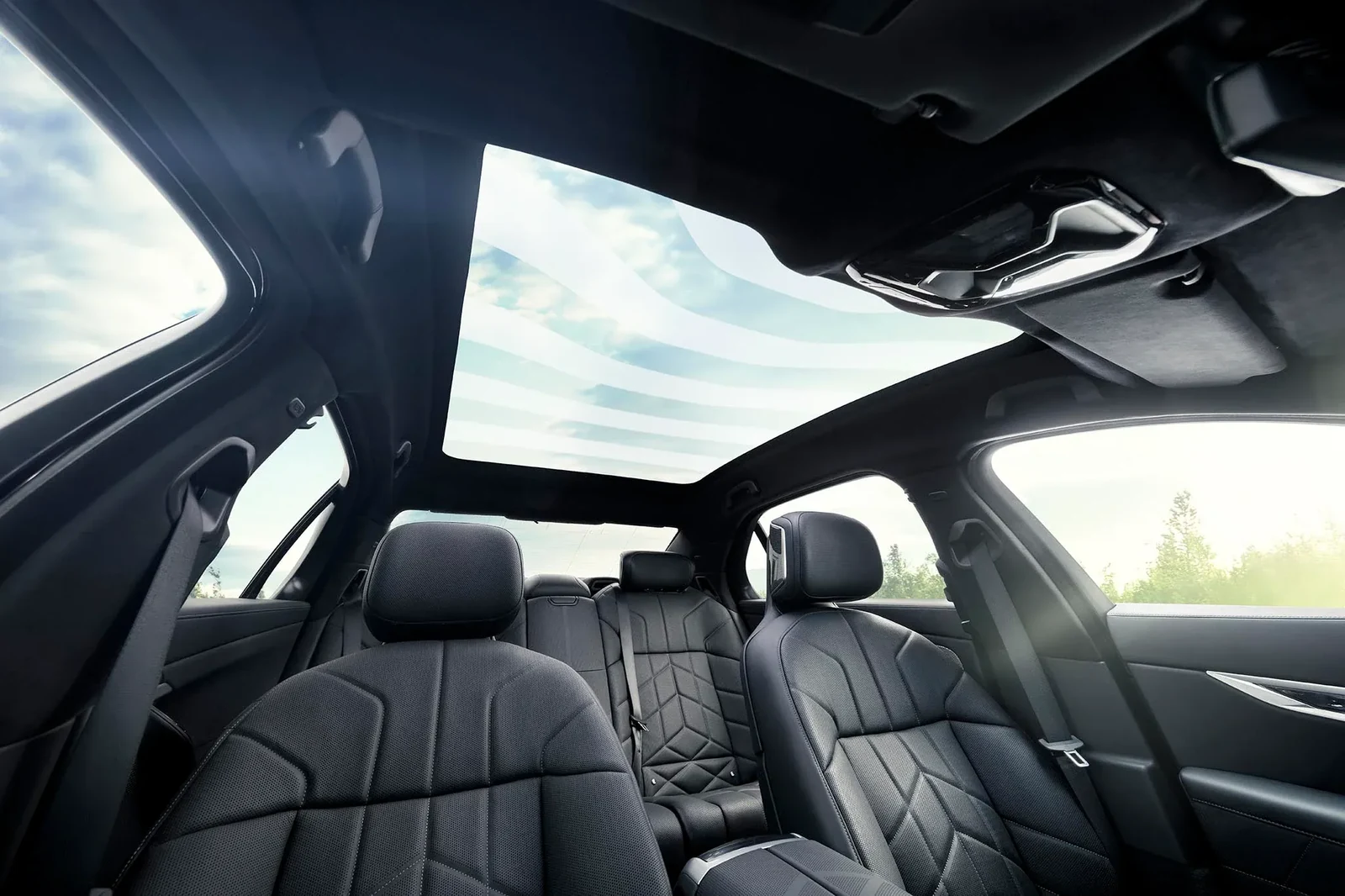
Start with the comfort problem, then check the roof’s compatibility with the proposed film. Dark-looking roof glass does not tell you everything about solar performance, and the darkest shade is not automatically the best choice.
When Roof Tint Is Worth Considering
Pay attention to where discomfort comes from during a normal drive. If you feel warmth on your head or shoulders while the side windows feel comfortable, roof glass is worth discussing. If closing the factory shade already gives you the comfort you want, additional film may be a lower priority.
A large panoramic roof exposes more of the cabin to overhead light than a small sunroof. Passengers in different rows may notice that light differently. Describe the conditions that bother you—midday commuting, an open shade, or long trips—so the recommendation addresses your actual use.
Does Dark Factory Roof Glass Already Do the Job?
It may already provide useful solar control. The vehicle’s glass specifications help identify its existing heat and UV performance.
Additional film is an upgrade to evaluate, not something every roof automatically needs. This is similar to the distinction between factory privacy glass and aftermarket window film, although roof glass must be assessed on its own.
Choose Comfort and Light Level Separately
A solar-control film can address heat without making the roof extremely dark. A darker shade reduces more visible light, which may suit someone who rarely enjoys the open-sky effect. A lighter option can preserve more of that feeling.
Ask to compare the intended appearance and solar performance of the specific options. A number describing light transmission is not a complete heat-rejection rating. Our light-film guide explains how those goals differ.
What to Check Before Installation
- Exact vehicle and roof type: identify the model year, glass panels, and whether the roof opens.
- Glass and film compatibility: ask the installer to confirm the proposed application against manufacturer guidance, including any existing coatings or treatments.
- Glass condition: point out chips, cracks, previous repairs, or replacement glass.
- Shade operation and access: confirm that the finished installation will allow normal operation and that surrounding trim will be protected.
- Warranty scope: clarify the film coverage and ask separately about glass-related concerns.
Compatibility depends on the specific roof glass and film, so recommendations can vary between vehicles.
Film, a Sunshade, or Both?
| Option | What to consider |
|---|---|
| Factory or removable shade | Useful when you want less overhead light; check fit and visibility before choosing an accessory. |
| Suitable roof film | A permanent layer that can improve solar comfort while leaving the roof usable. |
| Film plus the factory shade | Allows you to change the light level with the shade after the film is installed. |
Roof tint does not replace air conditioning, and a parked vehicle can still become very hot. Assess roof work as part of the whole cabin rather than expecting a single panel to solve every heat complaint.
Frequently Asked Questions
Should my roof use the same shade as my side windows?
Not automatically. Existing glass, the amount of overhead light you enjoy, and the approved film application should guide the choice.
Is a sunroof included in a full-car tint quote?
Confirm coverage explicitly. At San Diego Best Tint, the full-car installation timing for sides and rear glass does not include the windshield or roof glass.
Plan the Roof as Its Own Part of the Quote
Send San Diego Best Tint the vehicle year and model, a photo of the roof, and what you want to improve. We can discuss whether the proposed roof treatment suits the vehicle and quote it separately from the sides and rear glass.
Leave A Comment