
VEHICLE GUIDES
Choosing window tint for a Tesla starts with two decisions: what you want the film to improve, and which glass needs attention. Heat through a side window, rear-seat privacy, and sunlight overhead are different concerns—and they do not automatically call for the same coverage.
Compare film technology first, then shade and coverage. Tesla glass designs vary by model and year, so a package that suits one car is not automatically the best choice for another.
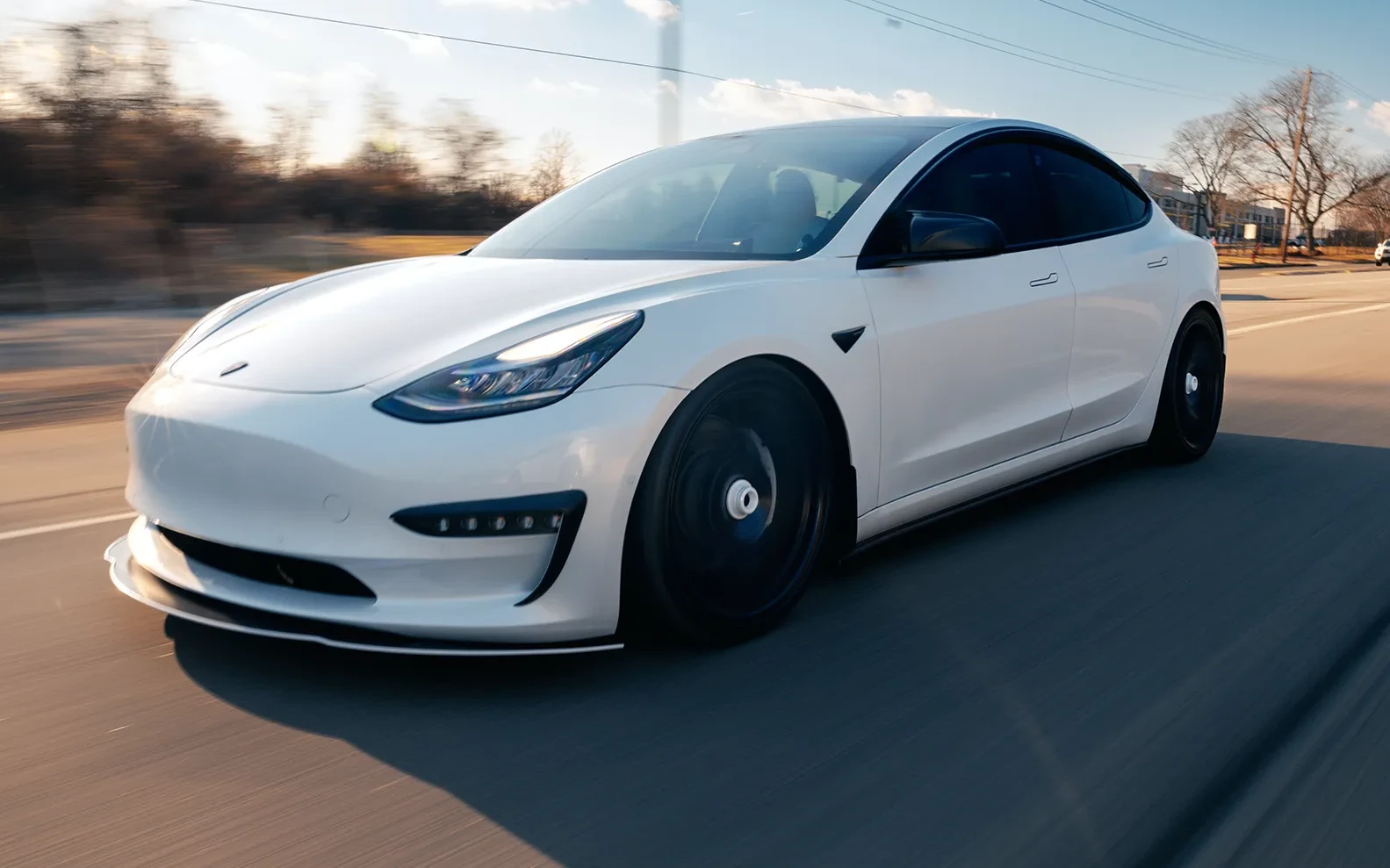
Factory Privacy Glass Is Not Applied Window Film
If your Tesla has darker rear glass from the factory, that is factory privacy glass. It is different from an aftermarket film applied to the glass.
Tesla’s Model Y owner’s manual describes UV protection in its roof, windshields, and windows. UV protection and solar heat rejection are separate characteristics, so added film should be evaluated around the benefit you want.
Applying film over existing dark glass also makes the combined result darker. Matching the front and rear appearance requires looking at the actual glass, not simply selecting the same film percentage everywhere.
Why Consider Nano Ceramic IR?
Tesla cabins can have large glass areas, making comfort in direct sunlight an important consideration. Nano Ceramic IR offers superior heat rejection for drivers who want to reduce that heat without relying only on a darker shade.
The UNION Nano Ceramic IR used by San Diego Best Tint combines carbon technology with an additional ceramic layer and an anti-scratch layer. Its non-metallic ceramic technology does not interfere with electronic or radio signals, and it provides 99.9% UV protection. The surface is scratch-resistant, not scratch-proof.
A light 70% option offers a virtually clear appearance. The appropriate shade and coverage still depend on your vehicle, visibility needs, and applicable requirements. See our carbon vs. ceramic comparison for the difference between film technology and darkness.
Plan Coverage Window by Window
- Side windows: discuss direct sunlight, your preferred appearance, and any existing rear privacy glass.
- Windshield: visibility, glass shape, camera areas, and careful dashboard protection deserve specific attention.
- Rear glass: ask how the installer will handle the shape, coverage, and defroster lines.
- Roof glass: first identify whether overhead sunlight is a concern. Discuss the exact glass and suitable film to choose appropriate coverage.
Ask for a quote that lists the included windows. “Full vehicle” can mean different coverage from one quote to another.
Installation and Aftercare Matter
Curved glass and large panels call for careful preparation and fitting. Interior surfaces should be protected appropriately during installation, and the finished result should be checked for fit and clarity.
Some Tesla windows lower slightly when a door opens. Tell your installer about any window-operation concerns and follow the instructions for your specific vehicle; do not interfere with its normal door-clearance operation.
For San Diego Best Tint installations, keep the windows up for the first 24 hours and allow up to 72 hours for complete curing. Follow any additional instructions we give you for your specific installation. Our aftercare guide covers cleaning and what to do if a mark concerns you.
Tesla Window Tinting in San Diego
San Diego Best Tint offers mobile installation at your home or workplace for Model 3, Model Y, Model S, Model X, and Cybertruck. Visit our Tesla window tinting service page for service information and customer reviews.
Our automotive films carry a lifetime warranty against peeling, bubbling, or fading for as long as you own the car. Share your model, year, preferred coverage, and location for a personalized quote.