
TINT TROUBLESHOOTING
Noticed a bubble in your window tint? The first question is whether the film is newly installed or has been clear for months. A little moisture during drying is different from bubbles that appear in older film.
Leave fresh tint alone while it cures. If a bubble remains after your installer’s recommended curing period, grows, or appears in previously smooth film, arrange an inspection instead of trying to press it flat.
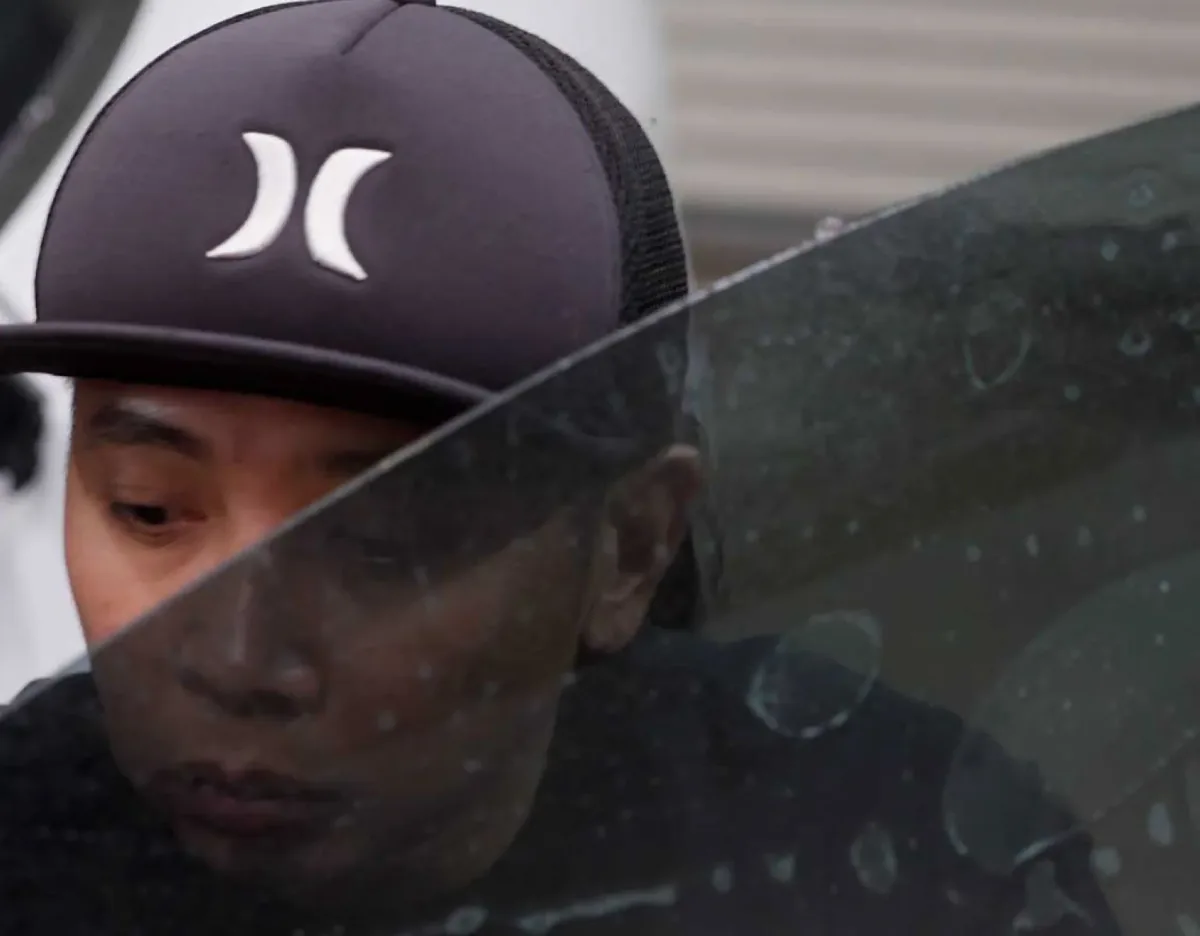
What Can Look Like a Bubble After Installation?
Window film is positioned using an installation solution. A little remaining moisture can create temporary haziness or small water pockets as the film dries. That does not automatically mean the installation has failed.
Appearance alone is not a reliable way to diagnose the problem. A speck under the film, a crease, and a moisture pocket can look similar in a quick phone photo. Watch for improvement during the specified curing period and ask your installer if something concerns you.
For San Diego Best Tint installations, keep the windows fully closed for the first 24 hours and allow up to 72 hours for complete curing. Follow any additional instructions we give you for your specific installation. Other films and installers may have different guidance.
Why Older Tint Starts Bubbling
Bubbles that develop after the film was previously smooth deserve attention. The film may be separating from the glass as its adhesive deteriorates. Contamination beneath the film or damage along an edge can also prevent a sound bond.
A widespread patch of bubbles is different from a temporary water mark on a newly tinted window. Waiting through another curing period will not restore an adhesive layer that has failed.
- New haziness that is gradually clearing: follow the aftercare instructions and monitor it.
- A fixed raised spot or crease: let the installer inspect it.
- Spreading bubbles or lifting edges: contact the installer about the affected window.
- Distortion that interferes with your view: have it assessed promptly.
How to Handle Persistent Bubbles
A needle can leave a permanent hole, and pushing with a card can scratch or crease the surface. Applying heat yourself can create another problem without addressing why the film is lifting.
Instead, take a clear photo, identify the affected window, and contact the installer. Avoid peeling an edge back to investigate. Keep cleaning gentle once the film has cured; our window tint aftercare guide covers safe products and techniques.
Will the Whole Car Need New Tint?
Not necessarily. An inspection can establish whether one window needs attention or several pieces of film are deteriorating. If replacement is needed, discuss how the new film will compare with the remaining windows in shade and appearance.
Check warranty coverage before paying for replacement or removing anything yourself. Your installer can review the film, the issue, and the applicable warranty terms.
Questions About Your Tint?
Contact San Diego Best Tint with a photo and the window affected. Our automotive films carry a lifetime warranty against peeling, bubbling, or fading for as long as you own the car. We can assess the concern and explain the appropriate next step.