
TINT REMOVAL
Old tint rarely comes off as neatly as peeling a sticker. The film may separate into layers, tear into small pieces, or leave adhesive behind. If you are replacing it, removing those leftovers is just as important as choosing the new film.
Tell the installer which windows have film and whether it is peeling, bubbling, or brittle. Ask about removal and adhesive cleanup as part of the quote, especially on rear glass with defroster lines.
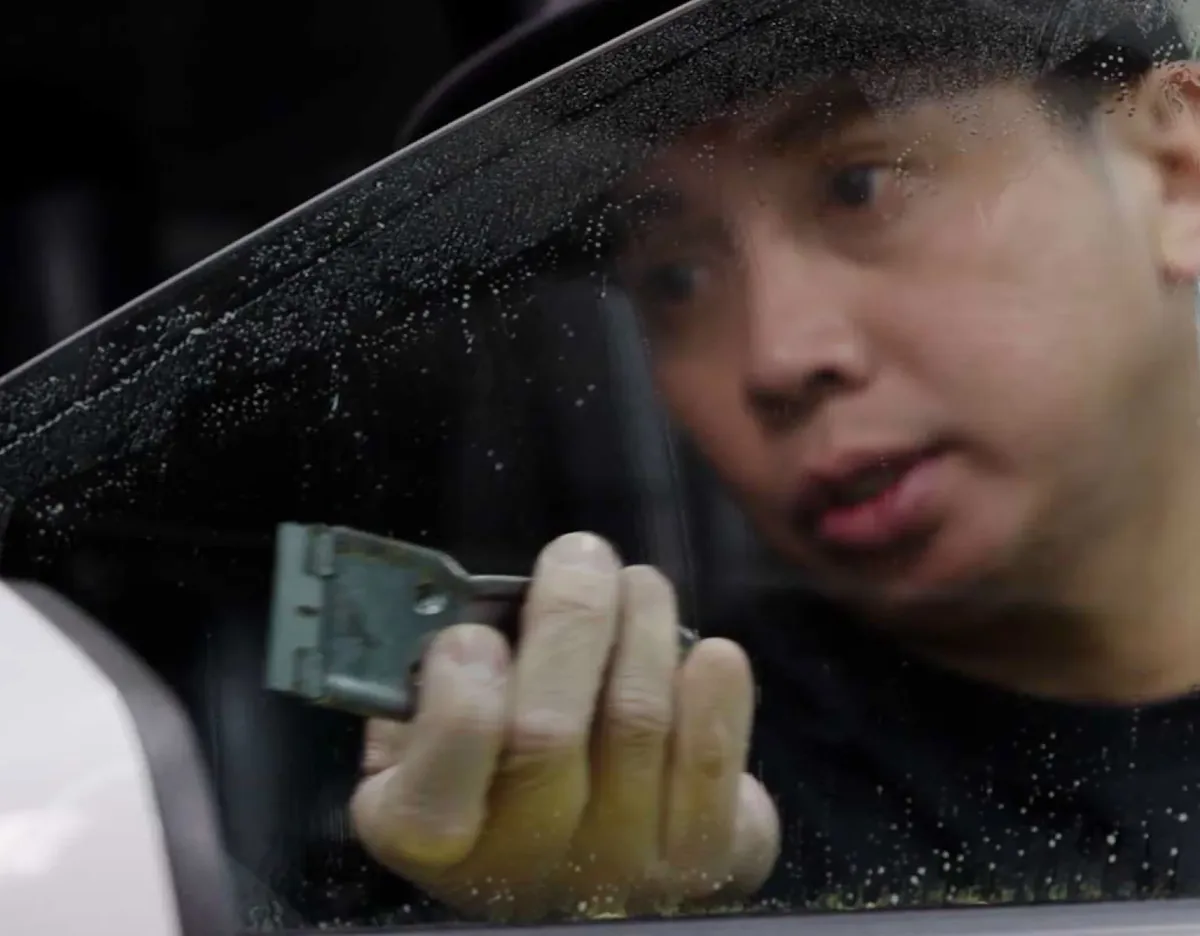
What Happens During Professional Tint Removal?
The installer first checks the film’s condition, the glass, and nearby trim. The removal method depends on the product and how it releases; controlled heat or steam may help soften the adhesive.
After the film comes off, remaining adhesive is cleaned away using products and methods suitable for that window. The glass is then inspected and prepared for the next step. Pulling off the dark layer alone does not mean the window is ready for new tint.
Interior surfaces need protection during this work, just as they do during installation. Ask how the installer will manage moisture and cleaning products around the door panels, rear shelf, and dashboard where relevant.
Why the Rear Window Needs Extra Care
Many rear windows have fine defroster lines on the inside surface; some glass also carries antenna elements. Aggressive scraping or pulling at firmly bonded film can damage these features.
Tell the installer if the rear defroster already has a problem or if removal has been attempted before. Existing damage and the condition of the old adhesive matter. A professional assessment helps identify any fragile or already-damaged defroster lines before removal.
Leaving the film intact until the appointment helps the installer assess its condition and choose a suitable removal method.
What Affects the Time and Cost?
- How many windows need removal: one door window is a different job from the whole vehicle.
- Film condition: brittle or separated layers may release in fragments.
- Adhesive: stubborn residue can require additional cleanup.
- Glass access: a sloping rear window can be harder to reach than a door window.
- Previous attempts: torn film and leftover glue change the starting point.
A photo helps with planning, but an inspection may be needed for a firm estimate. A clear quote will identify the costs for removal, cleanup, and new installation.
Can New Tint Go Over the Old Film?
For a replacement job, plan on removing the existing aftermarket film first. New film will not fix bubbles, failing adhesive, scratches, or distorted old layers underneath it.
Factory privacy glass is different. Its dark color is built into the glass during manufacturing, rather than coming from an applied film. It cannot be peeled off, and applying suitable film to that glass is not the same as layering new tint over failing aftermarket film.
What to Do Before Your Appointment
- Identify the windows you want stripped and whether you want replacement film.
- Share clear photos of bubbling, peeling, or any partly removed areas.
- Clear belongings from the door pockets and rear shelf so the installer can reach the glass.
- Discuss existing defroster or glass damage before work begins.
- If the film may be under warranty, contact the original installer before removing it.
You do not have to replace every window because one piece of film needs attention. Discuss how a replacement will look beside the remaining film and whether its performance will suit your needs.
After the Old Film Is Gone
Removing film does not repair scratches in the glass or restore damaged defroster lines. The installer should explain any issues found before applying new film.
If new film is installed, follow its curing instructions. For San Diego Best Tint installations, keep windows fully closed for 24 hours and allow up to 72 hours for complete curing. Follow any additional instructions we give you for your specific installation. Our aftercare guide covers cleaning and what to expect next.
Planning to Replace Your Tint?
Contact San Diego Best Tint with your vehicle details, the affected windows, and photos of the existing film so we can discuss removal as part of your replacement project. See our window tint pricing guidance for the other factors that affect the quote.